
Crew
We’re Escape Company. You’re one of us.
INVITATION
Escape is taking part in the DHL Stafetten on Wednesday, 19 August. Are you with us?
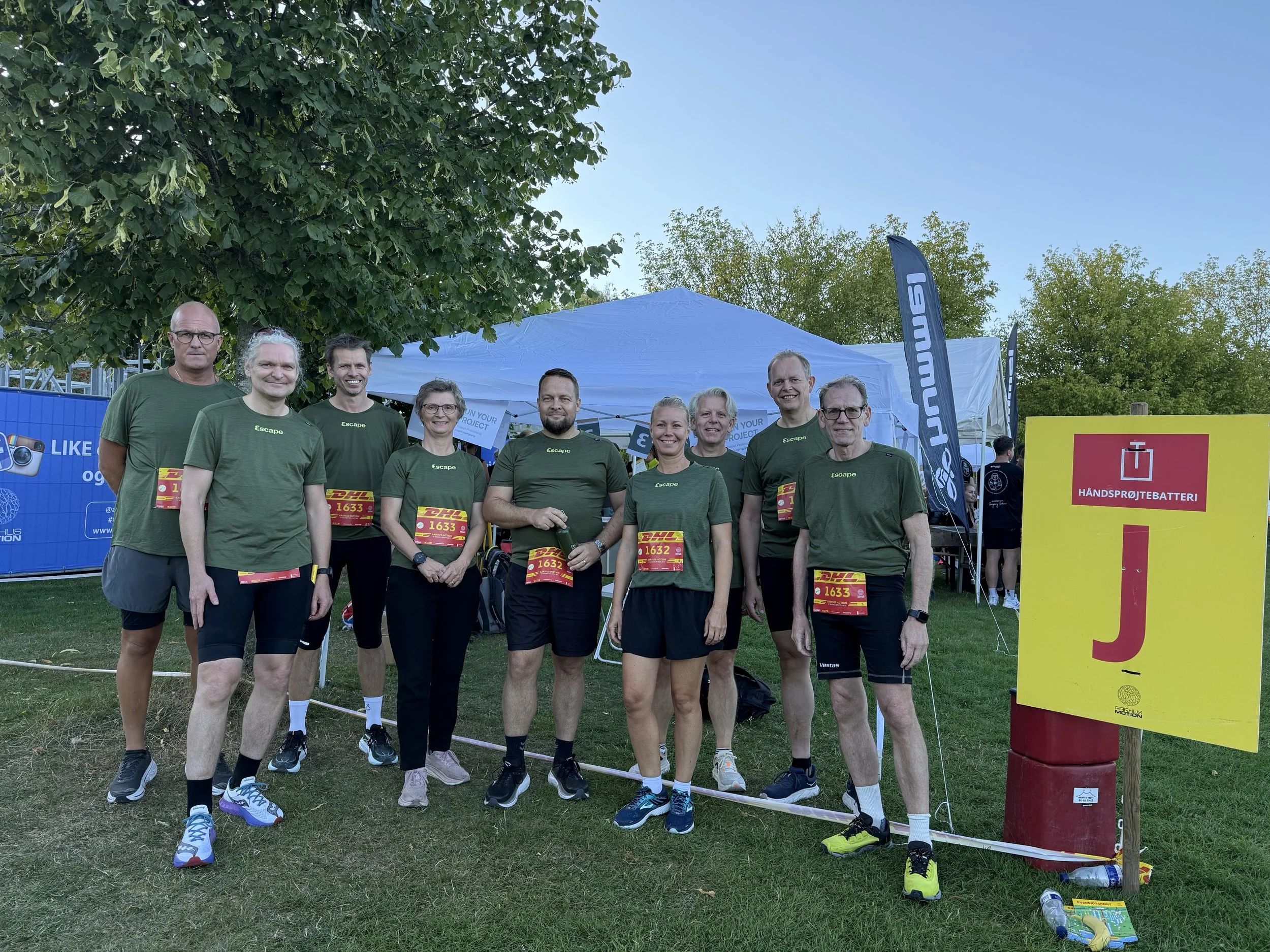
We had a blast last year, and we have no intention of making this year's event any less spectacular!
Sign up to run 🏃, walk 🚶, or simply come along for bubbles 🥂 and great company 😊. We also need your shirt size so we can provide you with an Escape running shirt (if you don't already have one).
Please reply to rolf@escape.company no later than 03/08/2026.
SUMMER MEETUP
Thank you for joining us!
More than 25 Escapers enjoyed a cozy afternoon together.

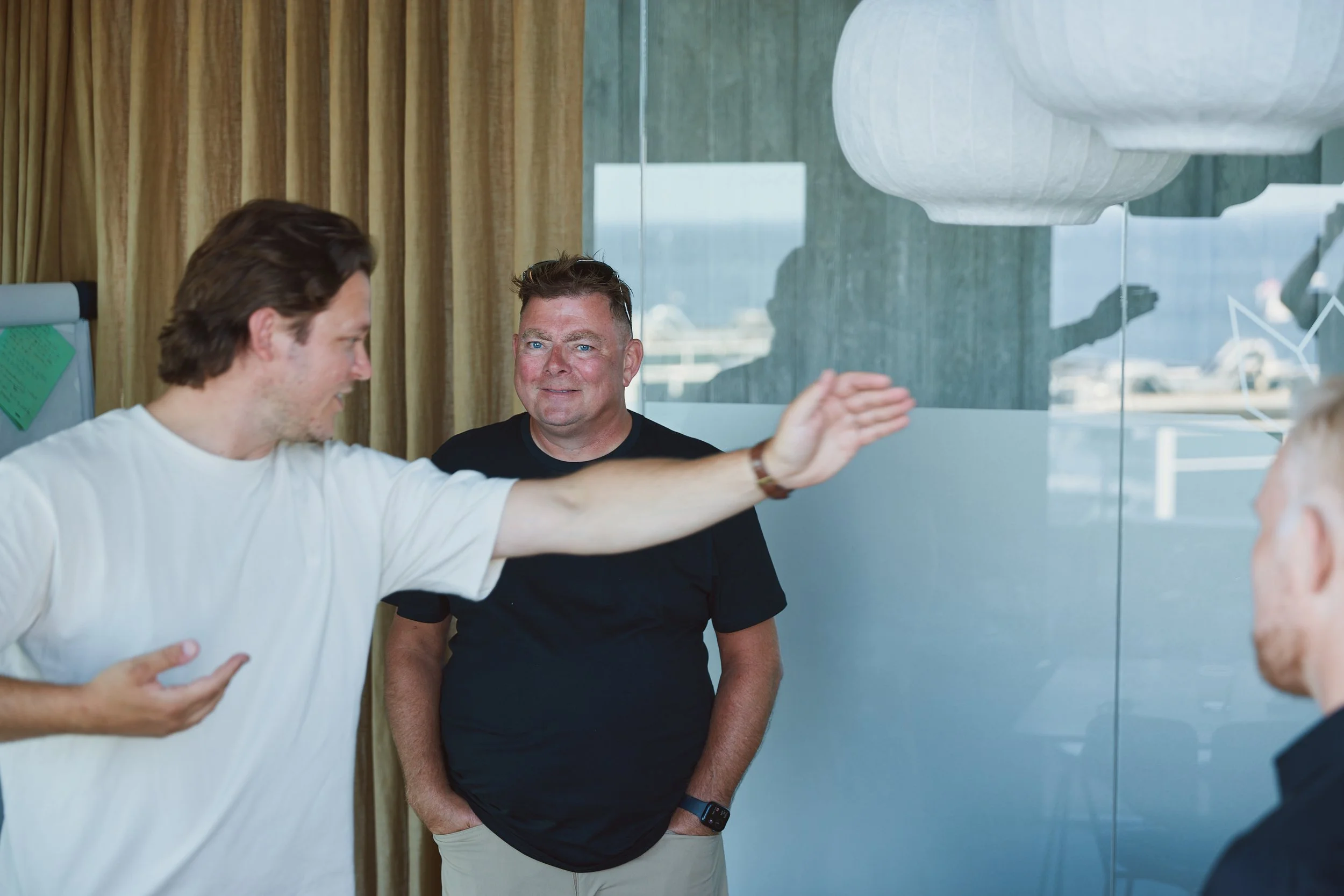
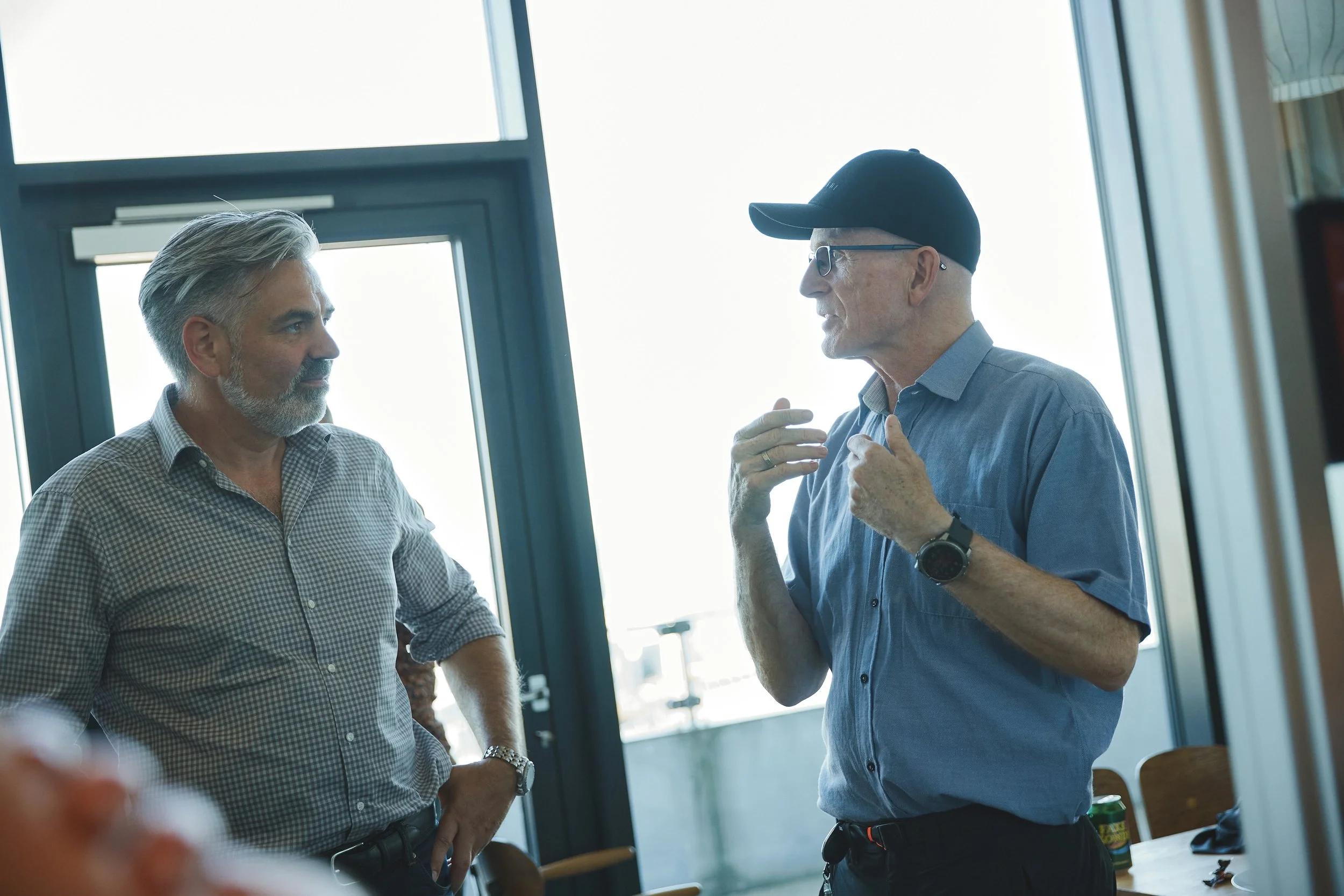
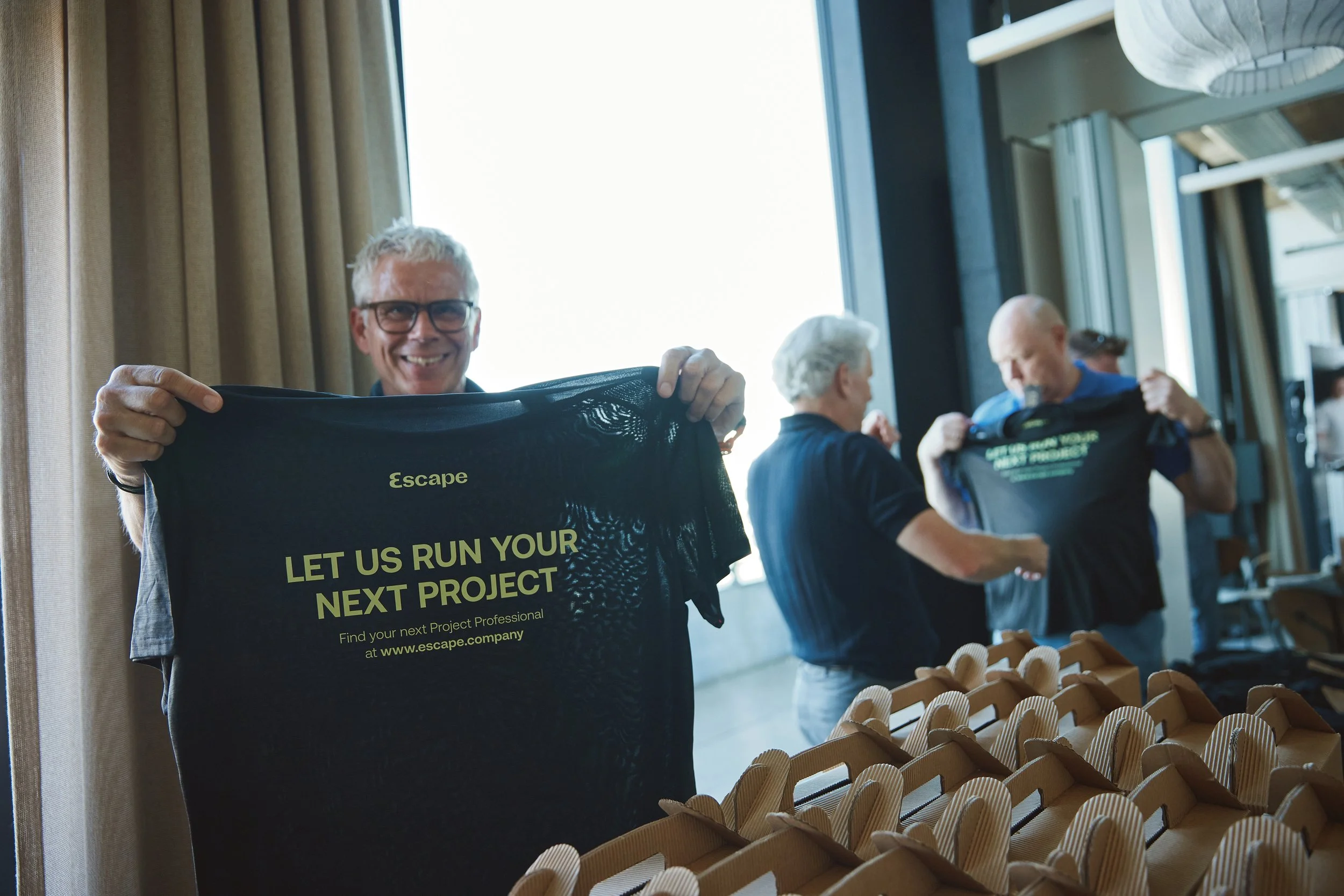



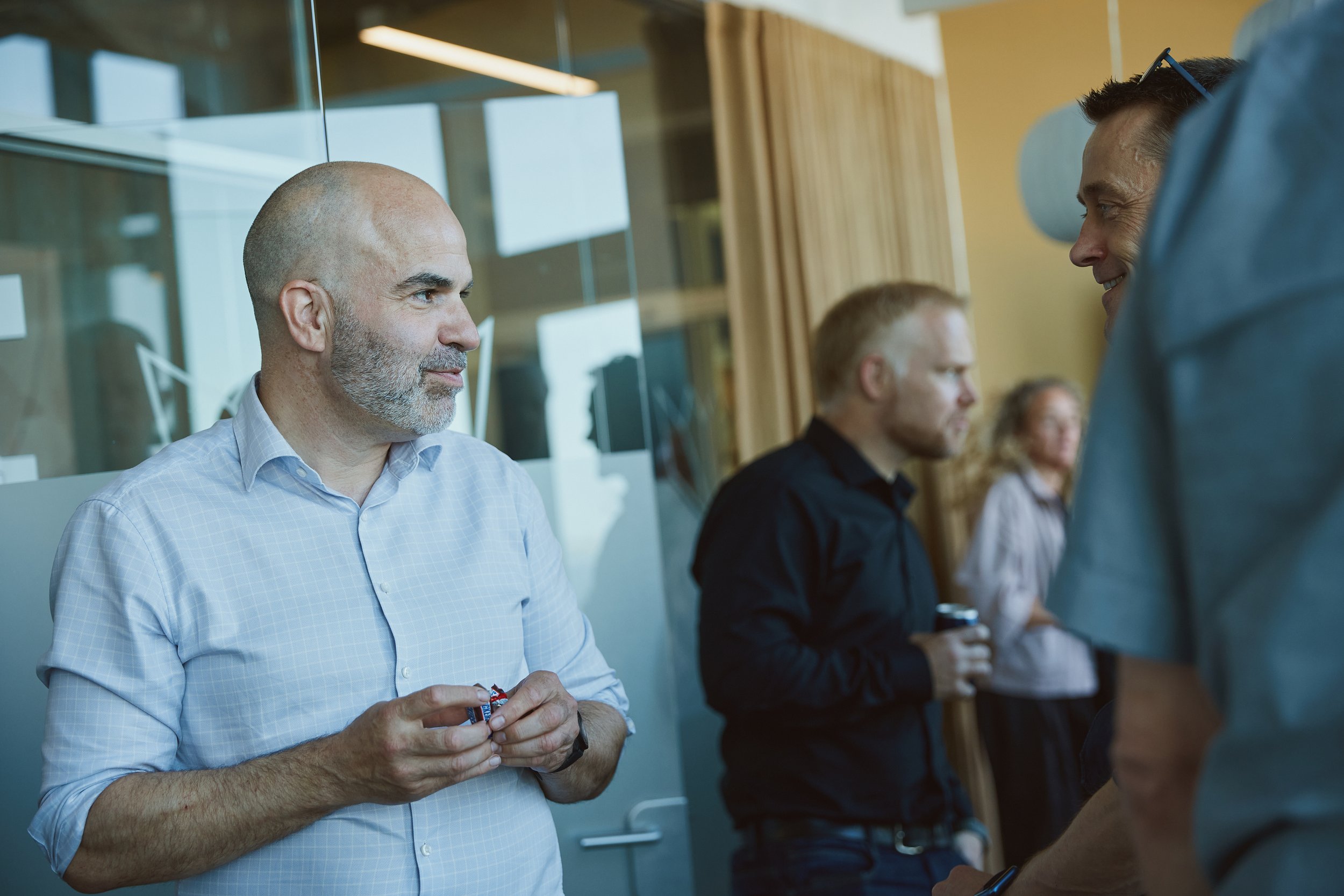

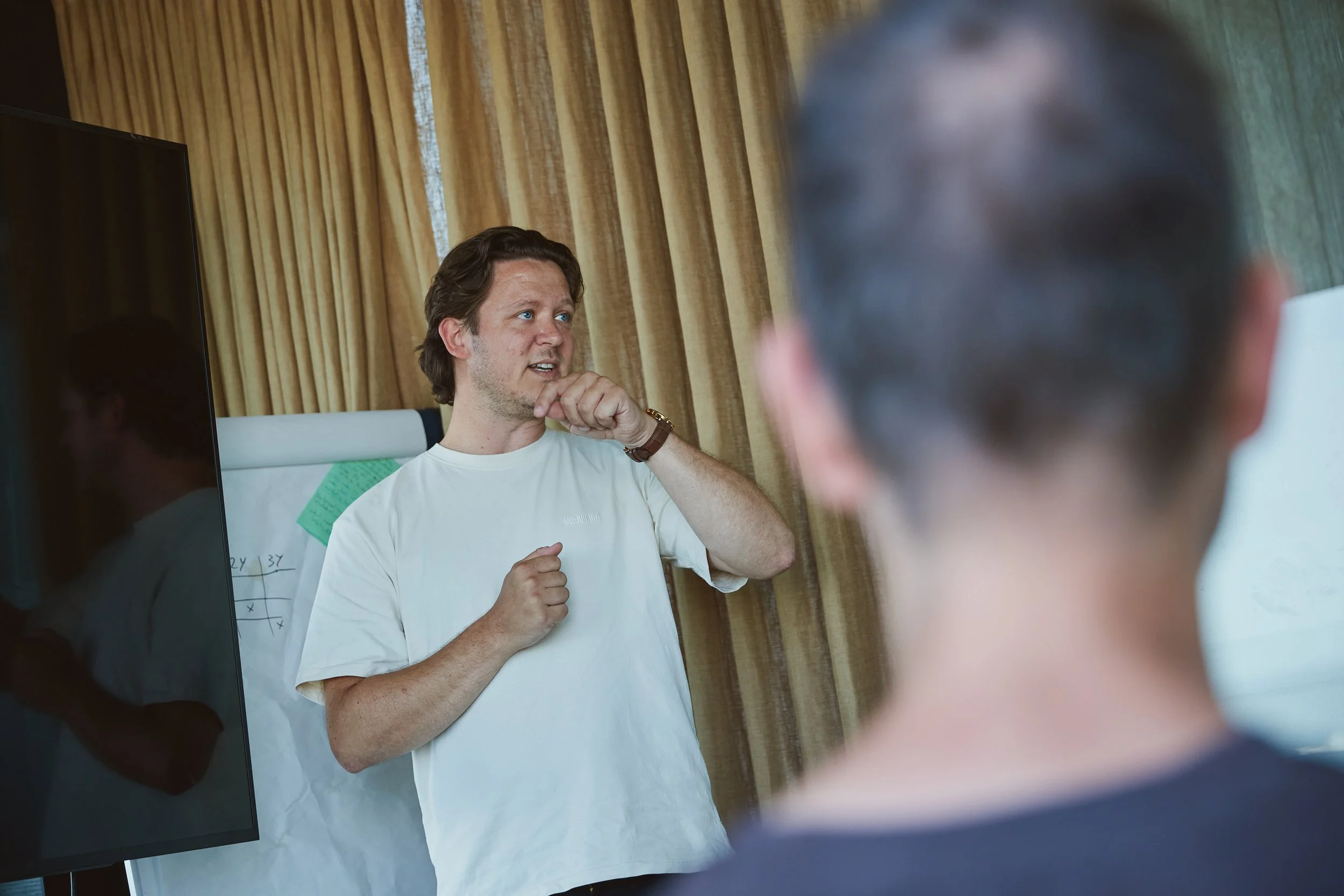
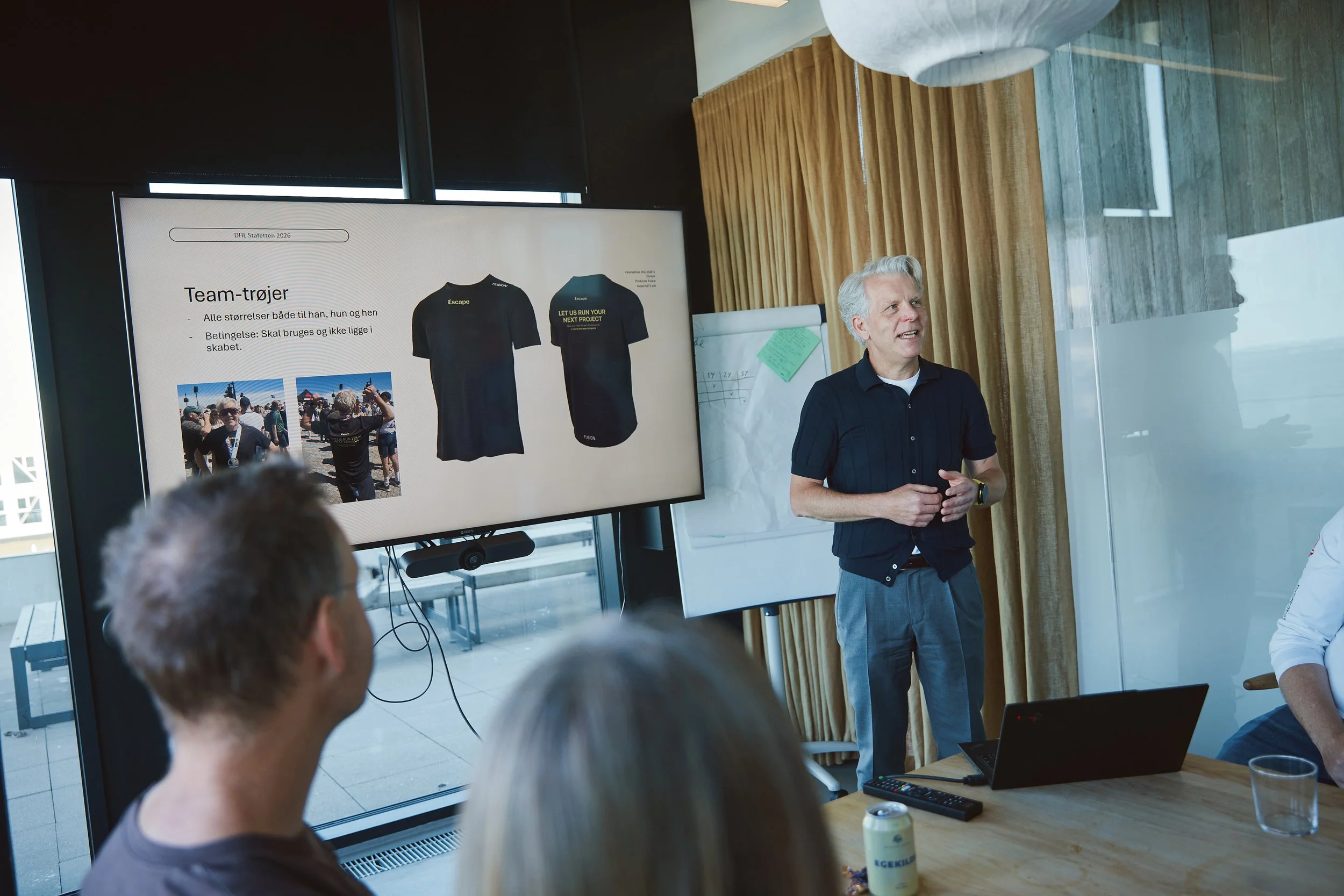

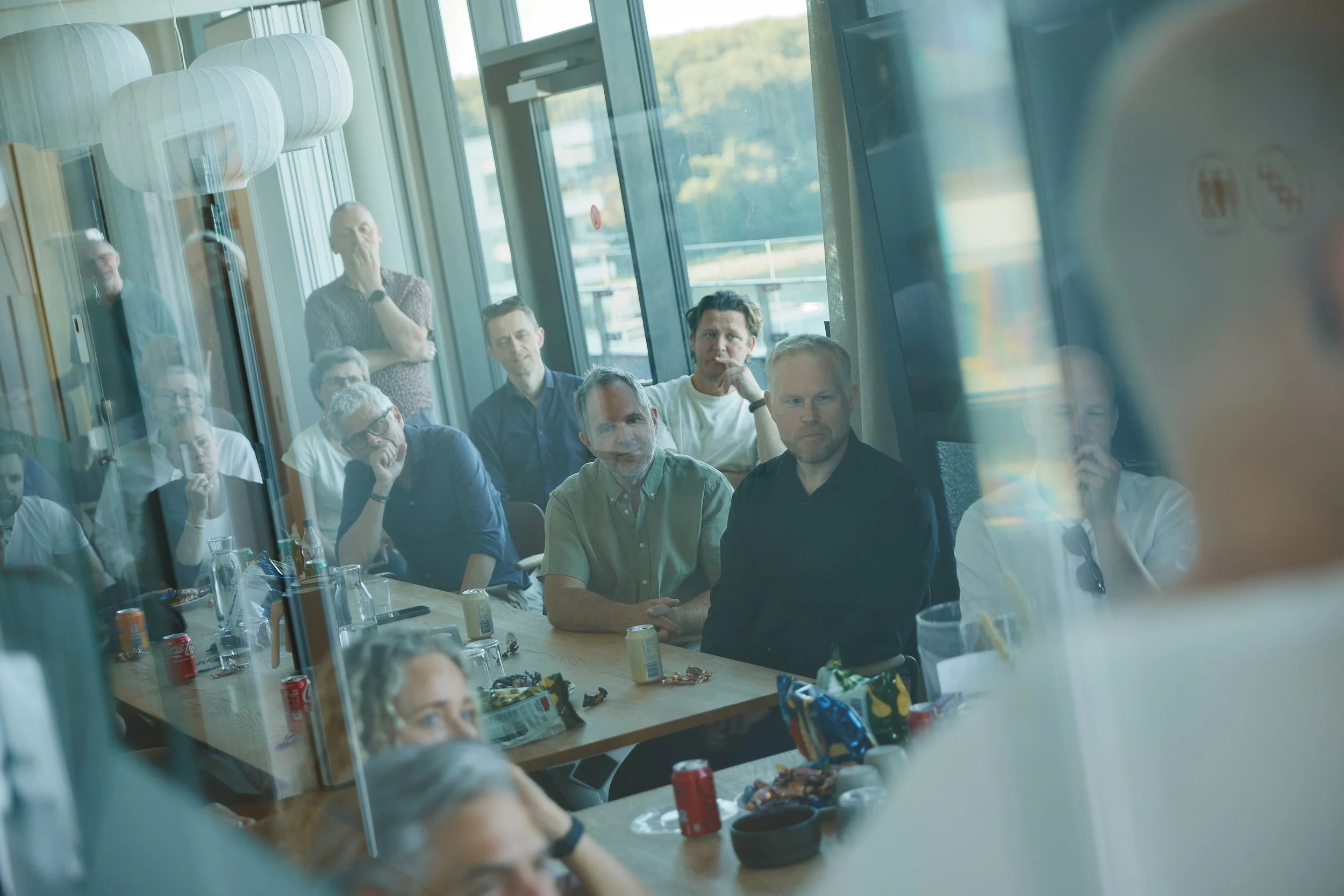
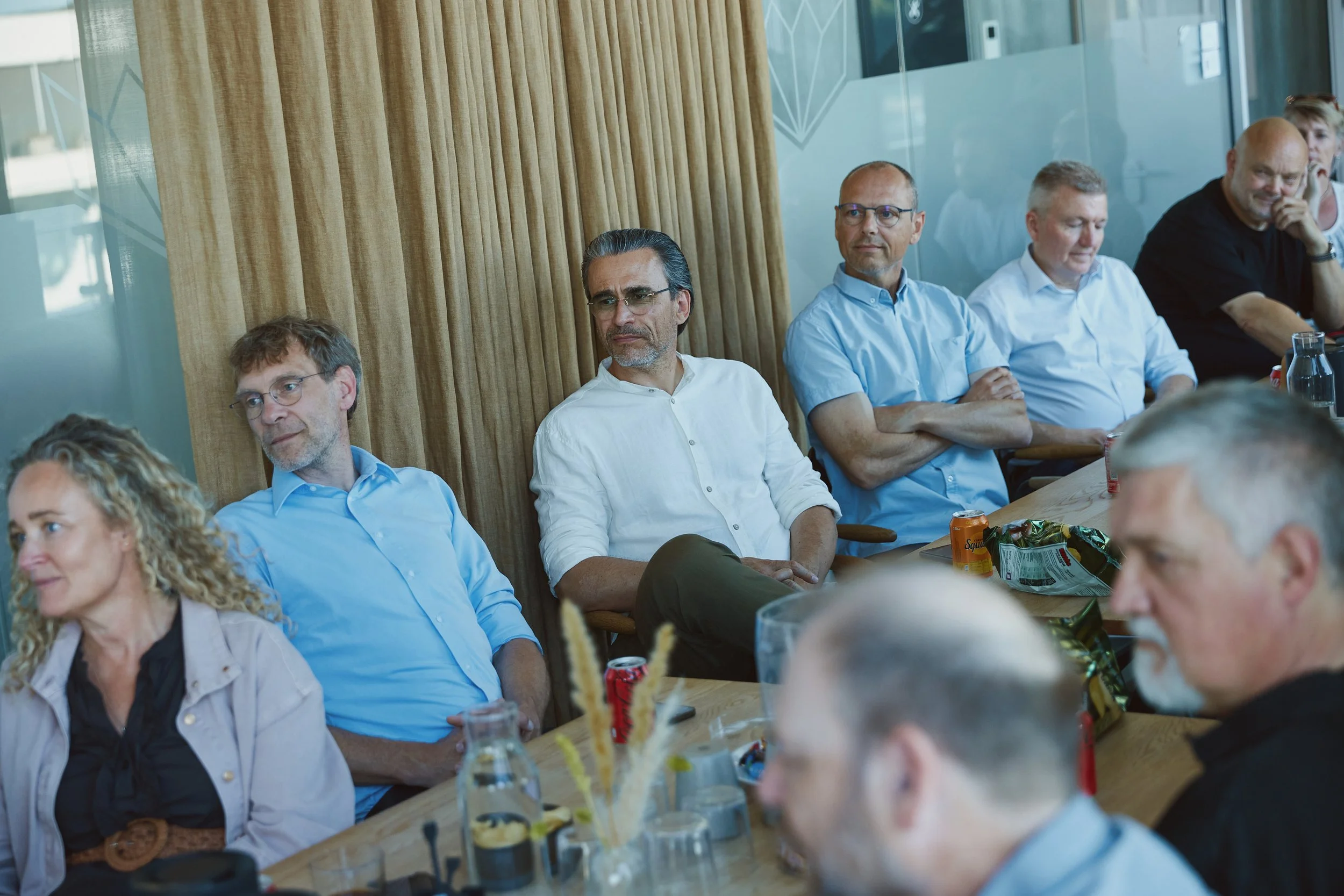




What a fantastic summer evening at Escape HQ! ☀️ Our annual summer meetup celebrated all the hard work and achievements from Q1 and Q2, giving us the chance to get inspired, reconnect, and unwind.
A big thank you to "Vandkanonkongen" for an inspiring talk, and to Rolf and Joachim for sharing the latest updates on Escape's sales and marketing initiatives.
The evening wrapped up with great conversations, networking, and stunning views from the top of Aarhus Ø. Thanks to everyone who joined us – see you at the next meetup!
INSIGHT
What a project manager can learn from a steam train
You have probably had this thought. Perhaps at your desk. Perhaps at two in the morning. ‘AI is getting good at this. Will it replace me one day?’ It is a fair worry. It is also pointed at the wrong thing.
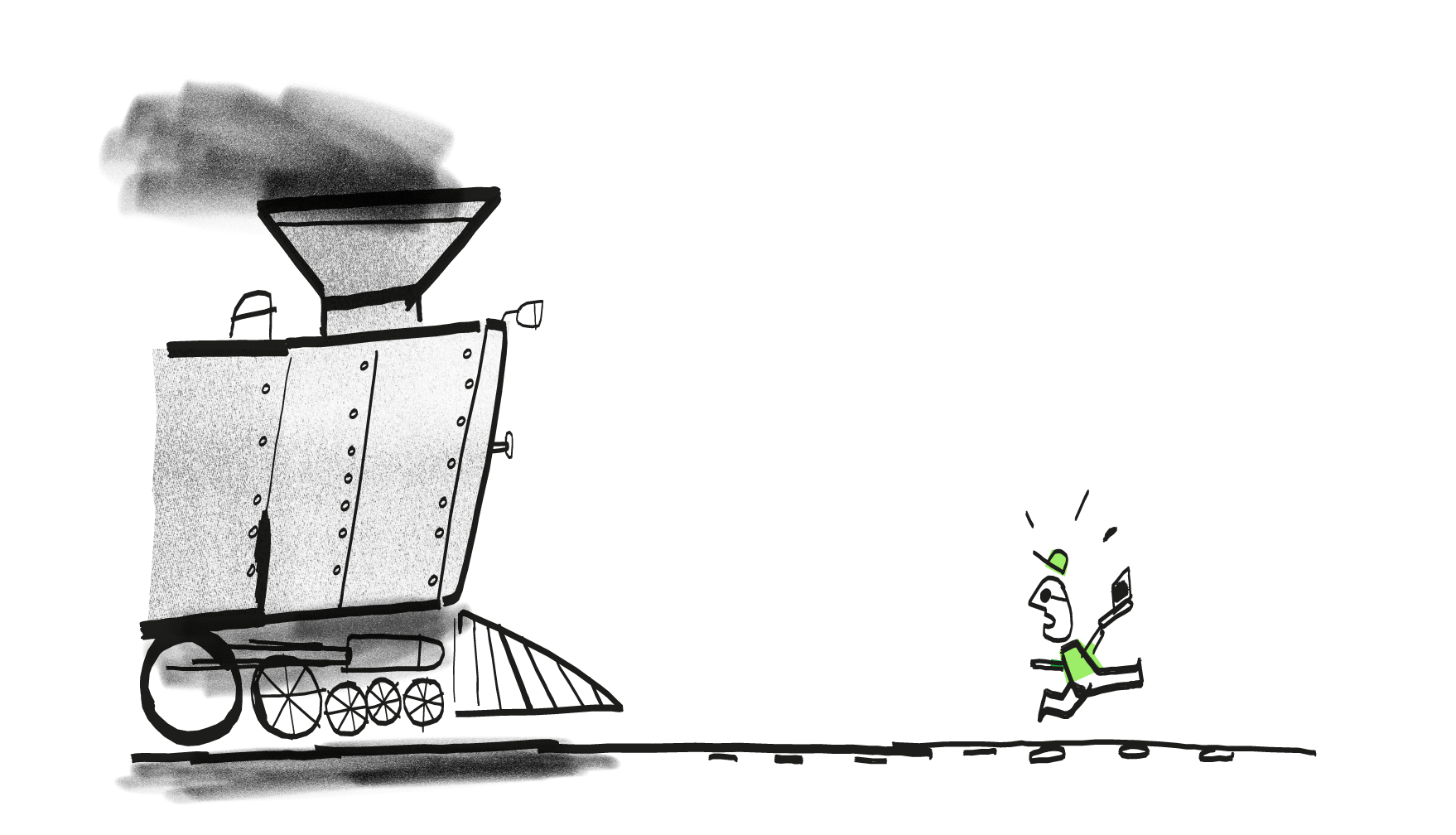
Let us tell you about coal.
In 1865 an Englishman named William Jevons noticed something odd. Steam engines were getting better. Each one burned less coal to do the same work. So everyone expected Britain to burn less coal. Cleaner. Cheaper. Fewer mines.
The opposite happened. Coal use went up. A lot.
Because once steam power became cheap, it became worth using everywhere. Factories that could never have afforded an engine could suddenly afford one. New uses appeared that nobody had imagined while the thing was costly. Making it efficient did not shrink demand. It set demand free.
People call this the Jevons paradox. And it has something useful to say about you, your job, and the tool that is making you nervous.
So let us move from coal to you.
AI is getting good at the dull half of running a project. The status report. The schedule update. The risk log that nobody likes keeping tidy. The first draft of the document you were going to write in a hurry anyway. That work is not going to get more expensive. It is going to get close to free.
Now bring in Jevons. When running a project becomes cheaper, more projects become worth doing.
Think of how many good ideas die in a business case. Not because they are weak. Because the cost of organising them eats the return. The idea would need a project manager, and a proper plan, and three months of someone's full attention. Add all that up and the numbers stop working. So it never happens.
Lower that cost and the sums change. Marginal projects become worth doing. Small firms that cannot afford proper delivery today can suddenly afford it. The pile of things companies want, but cannot quite justify, begins to move.
That is the claim. More projects, because projects got cheaper. If you do not believe that pile exists, the whole argument falls down. So be honest with yourself about whether you have seen it. I think you have seen plenty.
But here we have to be straight with you.
More projects is not the same as more project managers. Jevons promises more activity. It does not promise more of you. The bridge only holds if the heart of your job is the part the machine cannot do.
So look honestly at what is being automated. The admin. The reporting. The chasing. And if you are truthful, that is a real slice of how some weeks go. That part is leaving. Pretending otherwise helps nobody.
What is not leaving is the rest. Sensing that a quiet room has gone quiet for the wrong reason. Getting two managers who dislike each other to agree on a date. Knowing which risk on the list is the one that truly matters. Telling a client something they do not want to hear, in a way that keeps the project alive. None of that is a spreadsheet problem. The machine does not sit in a tense meeting and feel the mood change.
That is the work that becomes scarce, and valuable. When the easy half gets cheap, the hard half is what people pay for.
Which brings us to Monday.
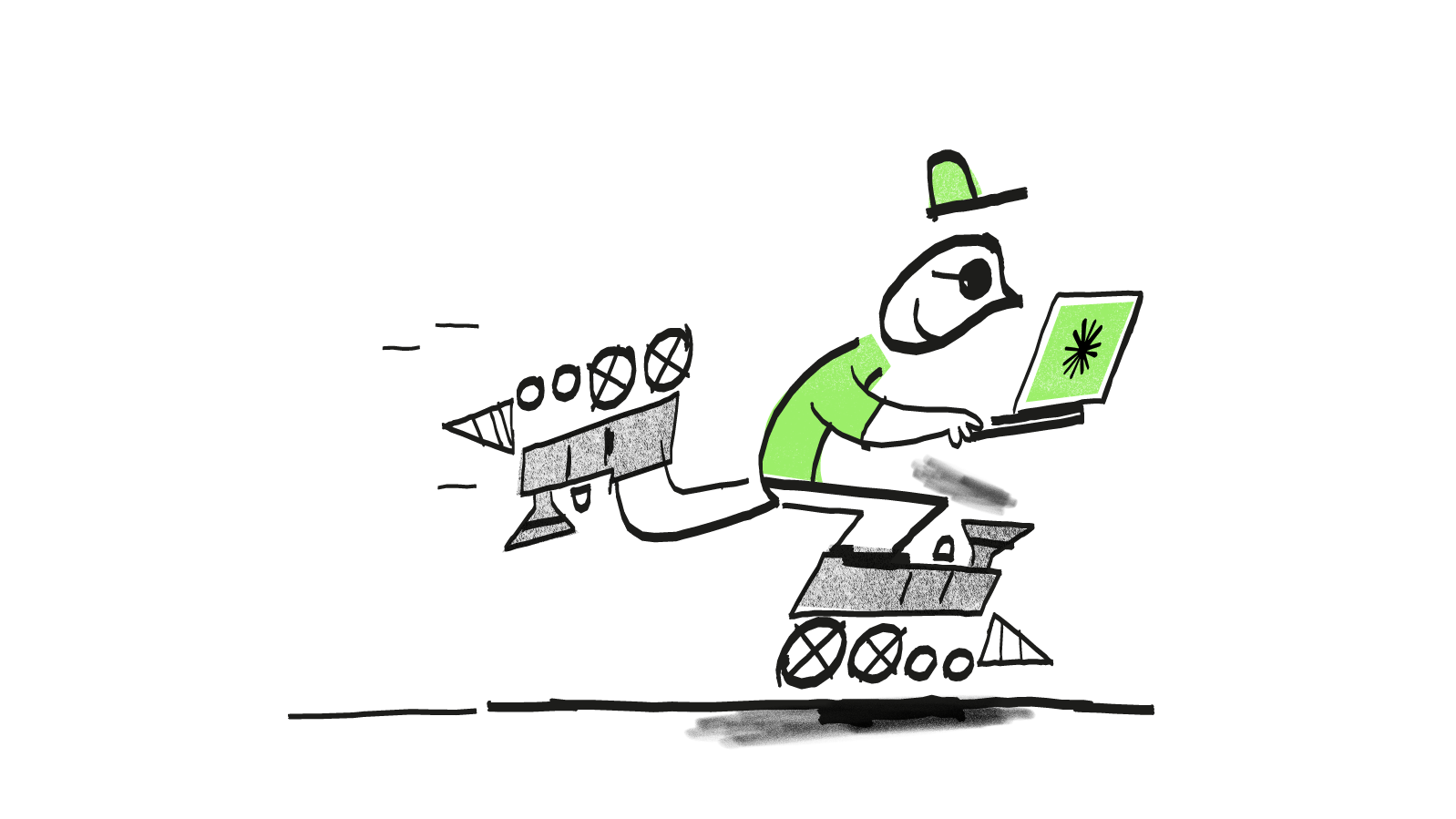
A prediction is easy to argue with. A decision is harder. So make a decision. Be the person holding the tool, not the person standing where it points. Learn it now, while knowing it still sets you apart, and before it becomes the simple price of having a job. Spend less of your time on the work that is about to be free. Spend more on the work that is not.
For Escape, the prize is simple. Be the firm that runs more projects, faster and for less, and opens the door to clients who could never get in before. That is not a defence. It is a bigger market.
So the question changes shape. It used to be, will AI take my job. It becomes, AI has just lowered the price of the thing I make possible, so there is about to be far more of it.
The only thing left to decide is which side of the tool you are standing on.
Have a nice and sunny summer
;-)
Have a nice and sunny summer ;-)