Michael
Who is
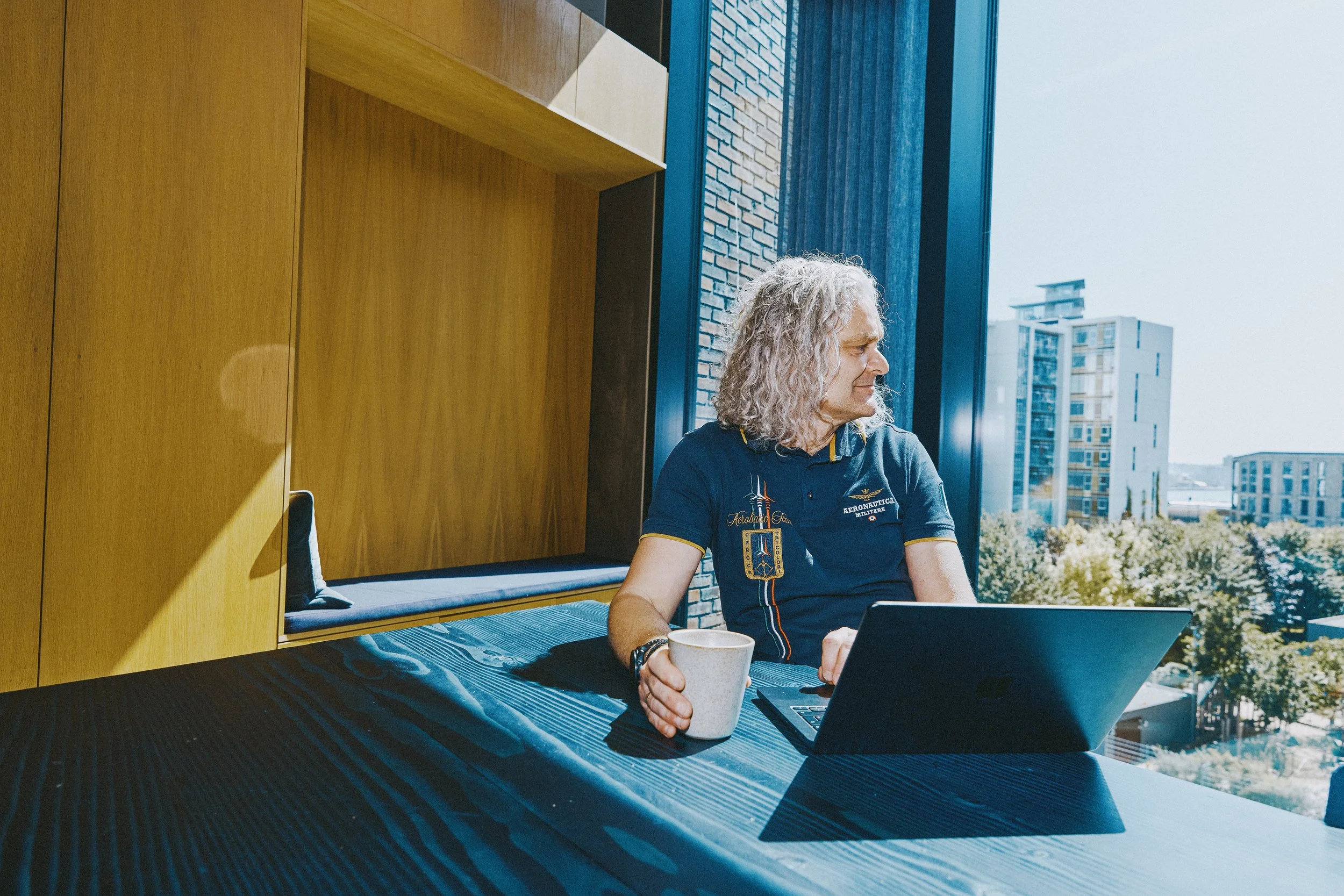
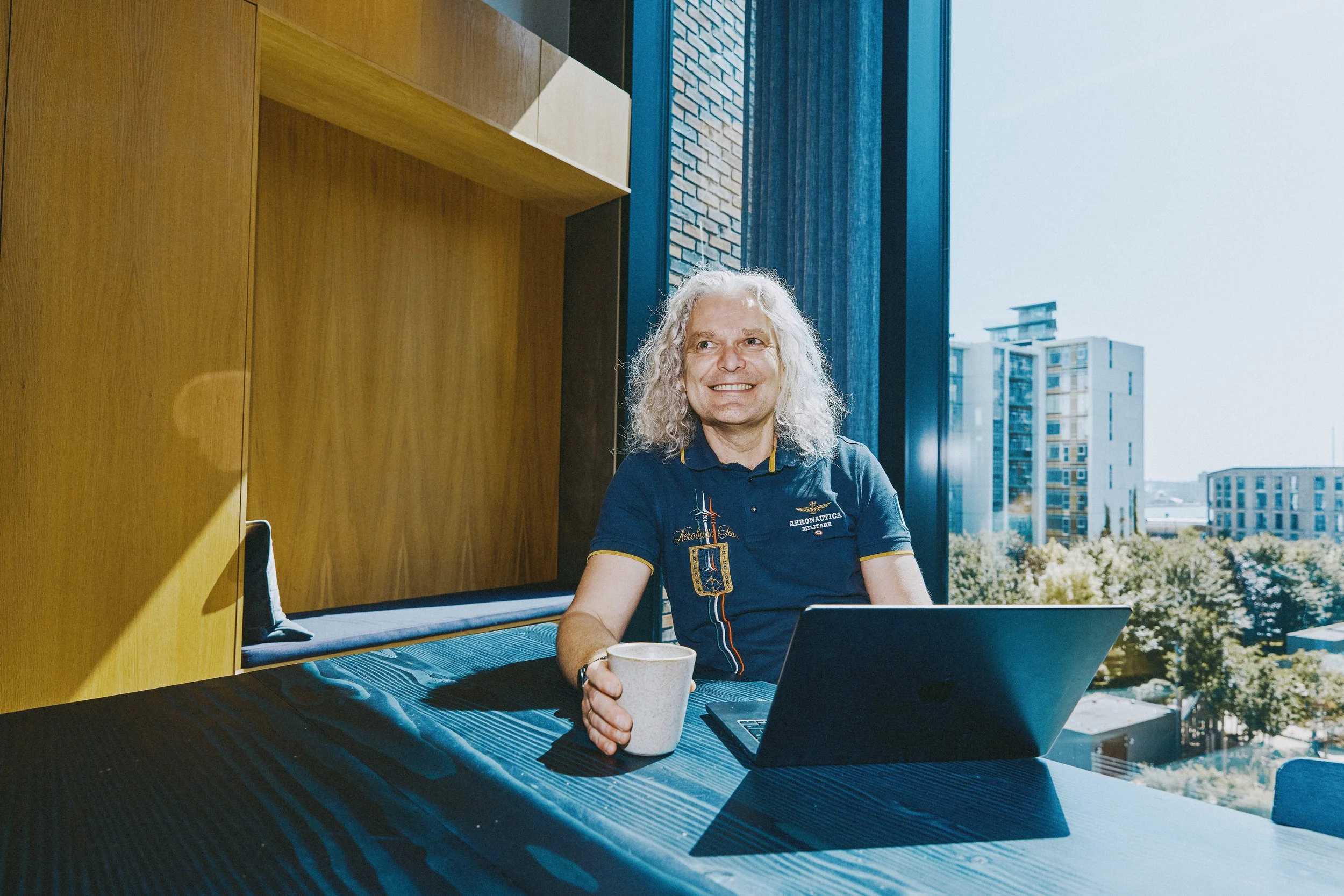
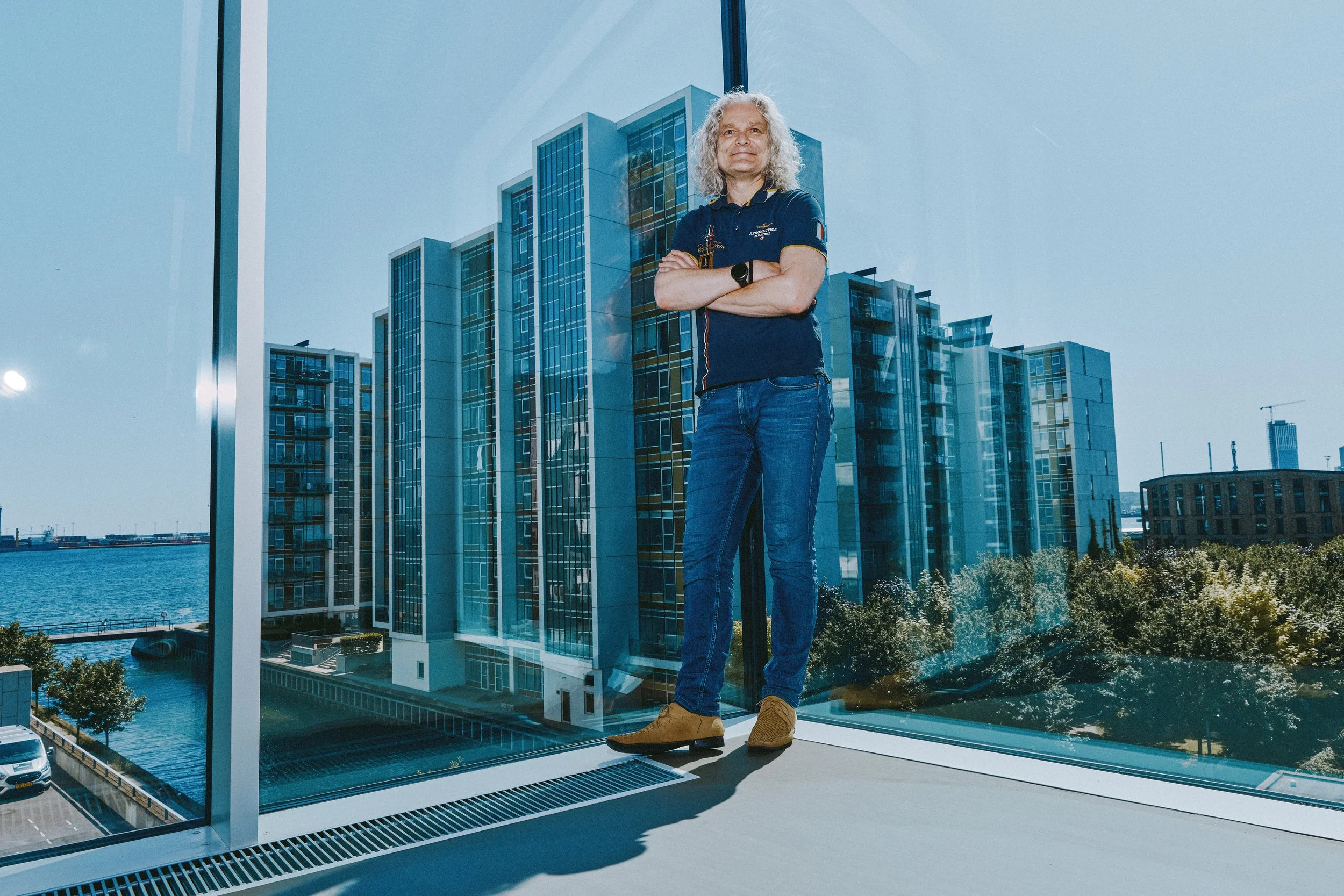
Escape co-founder Michael has spent 25 years leading complex technology projects. Engineer, entrepreneur, skier. Snow permitting.
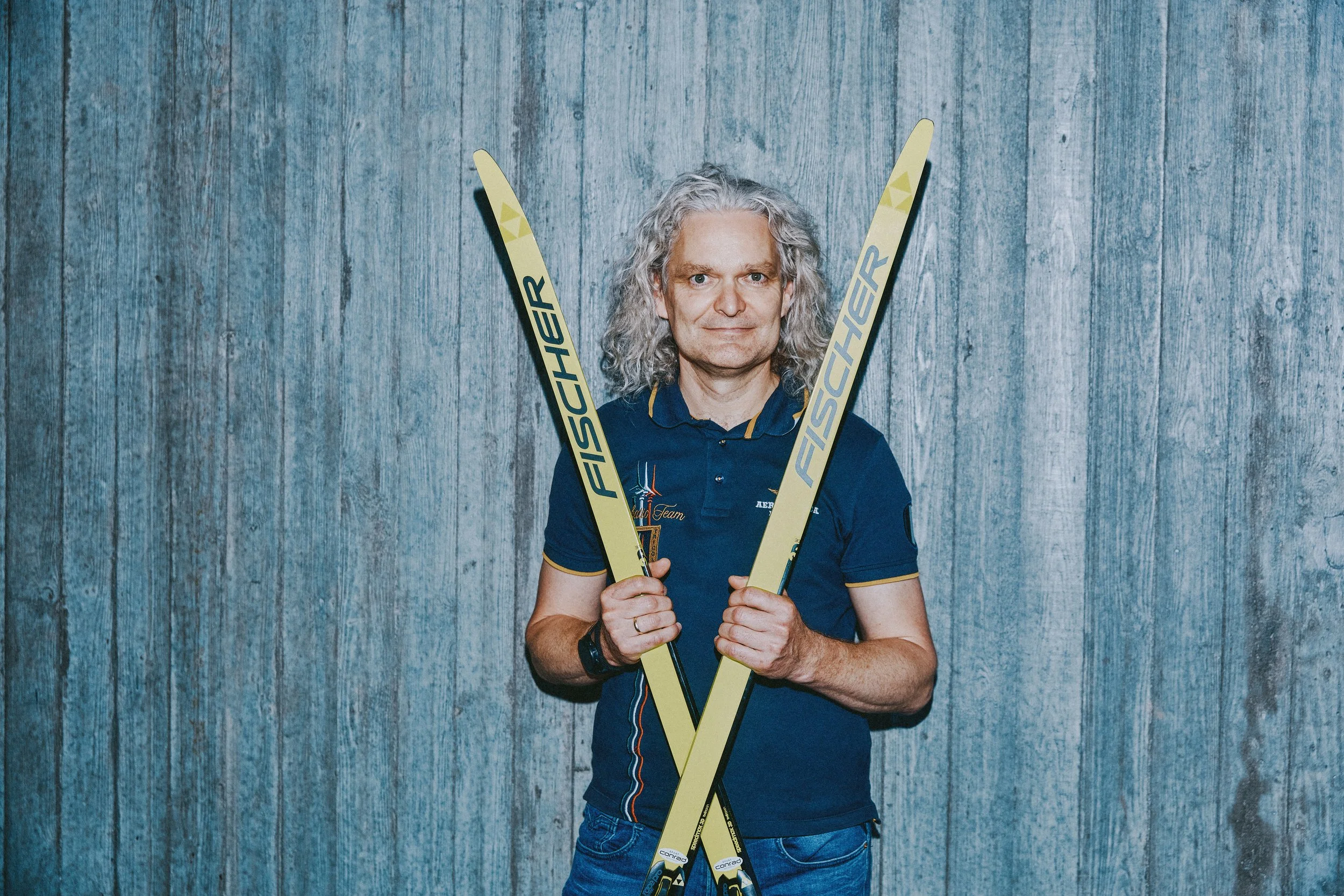
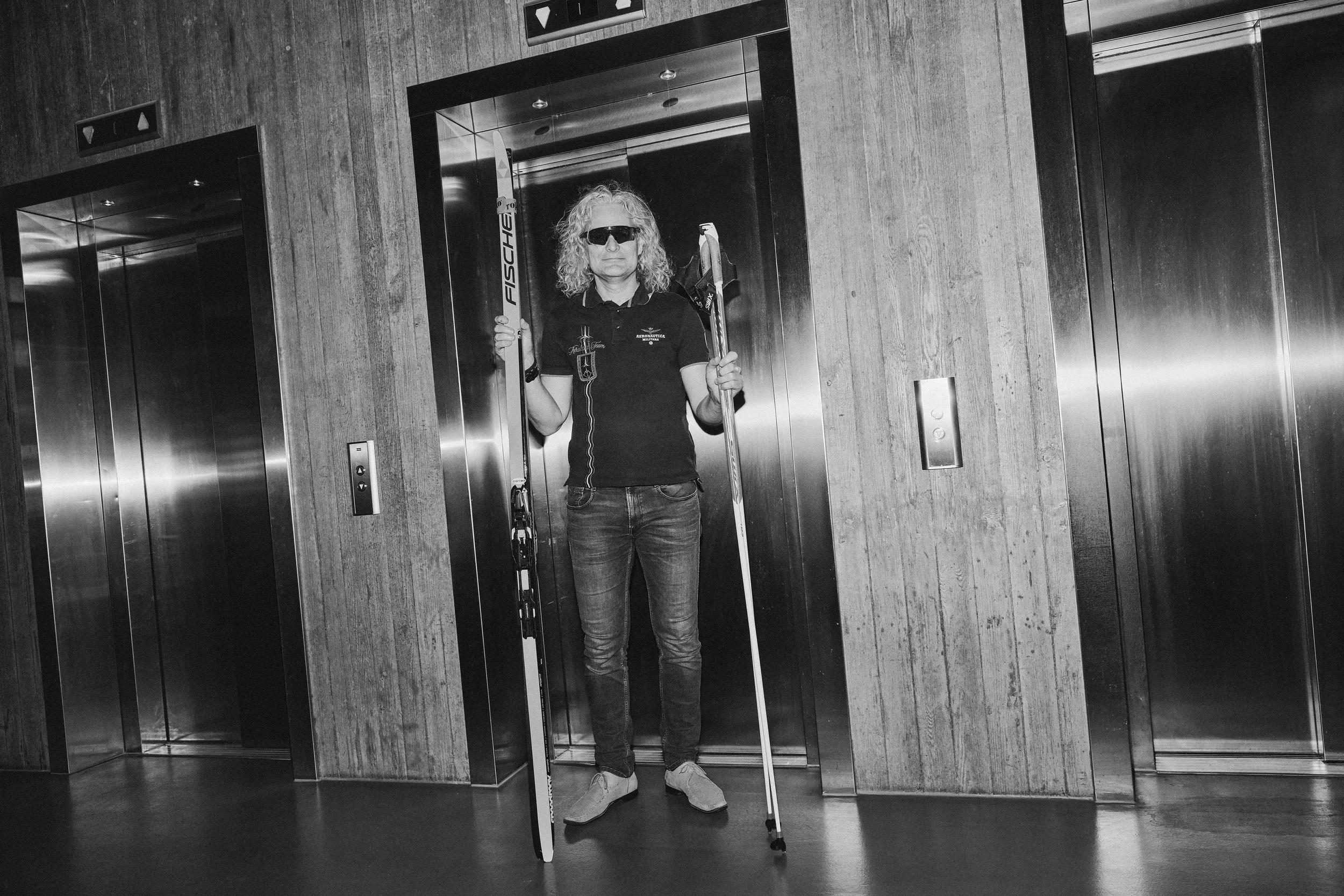
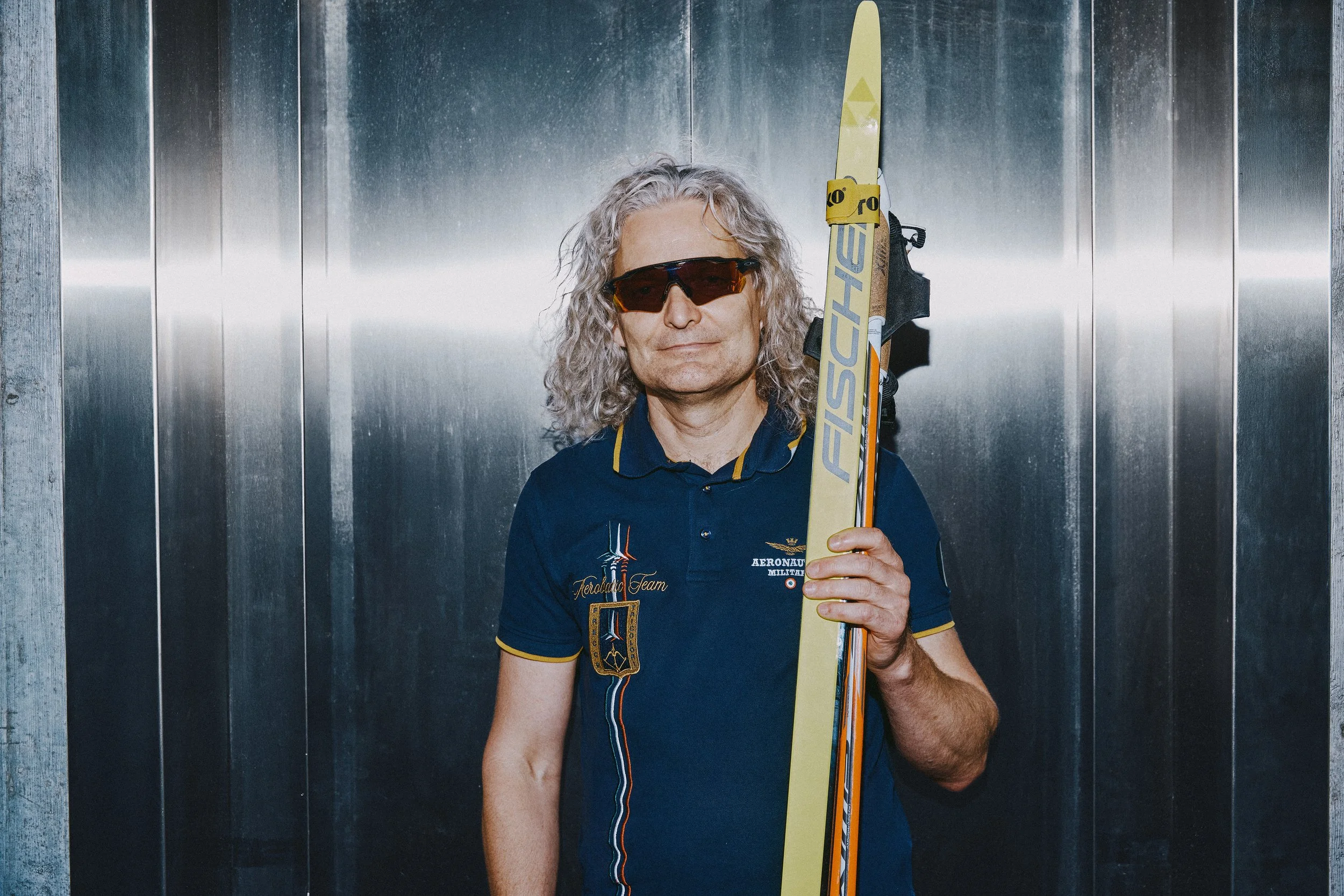
Cross-country skis? Shouldn’t you be in Norway?
I’ve been skiing since I was six or seven years old, so it’s always been part of my life. I enjoy both cross-country and telemark skiing. For cross-country, I head to Norway. Telemark takes me further south, to the Alps. For me, it’s about being outdoors, staying active and enjoying the feeling of freedom.
How far do you ski?
For me, it’s not a long-distance thing. Having said that, I once did 200 kilometres over ten days here in Denmark, which I guess is quite a lot. Two hours at a time.
What did you study at uni?
I started with electrical engineering, followed by a graduate diploma in marketing management. Later, I completed a master’s in engineering and three executive MBAs.
More than one MBA? Wonder what the collective term for MBAs is…
Just three.
So, what was your first job?
1995, in Copenhagen. I was about 25. I worked on safety systems for trains. For two years. Then a small Danish startup for two years. Then I was in the mobile phone industry from 1999.
How did an engineer end up in project management?
It was natural, really. I was always the one working across the systems and coordinating. And one day that became the job.
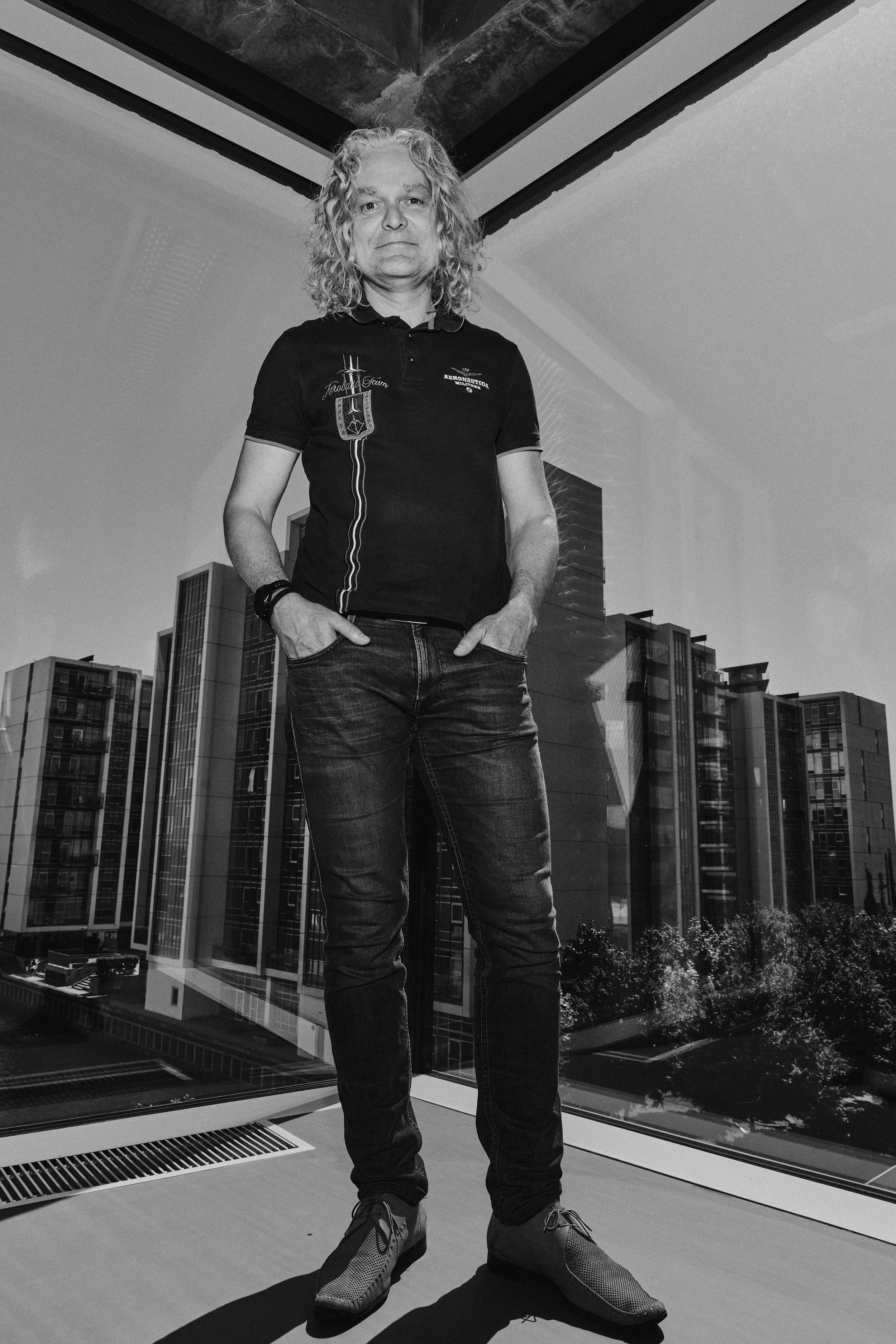
“Escape is a living network. You have to maintain it to keep it flourishing.”
Biggest team you’ve run?
Oh, I guess the largest was over 200 people, spread around the world.
Do you have a leadership style?
I focus on getting things done. But it’s not just about plans and processes. It’s about bringing people together, creating direction and making decisions. That’s what moves complex projects forward.
Face to face or email? Pick one. I don’t really have a preference. I adapt. But it tends to be mostly email and Teams chat. If I can’t catch someone face to face in the corridor, I phone them.
You actually phone people? You must be one of the few.
Yes. Running a community of independent professionals requires personal contact. I spend a lot of time keeping in touch with people, often while travelling between assignments. It’s a network you have to maintain to keep it flourishing. Ten minutes here, ten minutes there. Every little bit helps.
What else do you do outside work?
Running. Cycling. A bit of golf. And I’ve just started hunting. I took the licence, so now I practise on the shooting range. I grew up in the countryside. I’m used to the woods.
Where do you live?
Jelling, in a forested area not far from Billund. Good for running. Good for hunting. Not so good for skiing.
People say you’re a fan of AI.
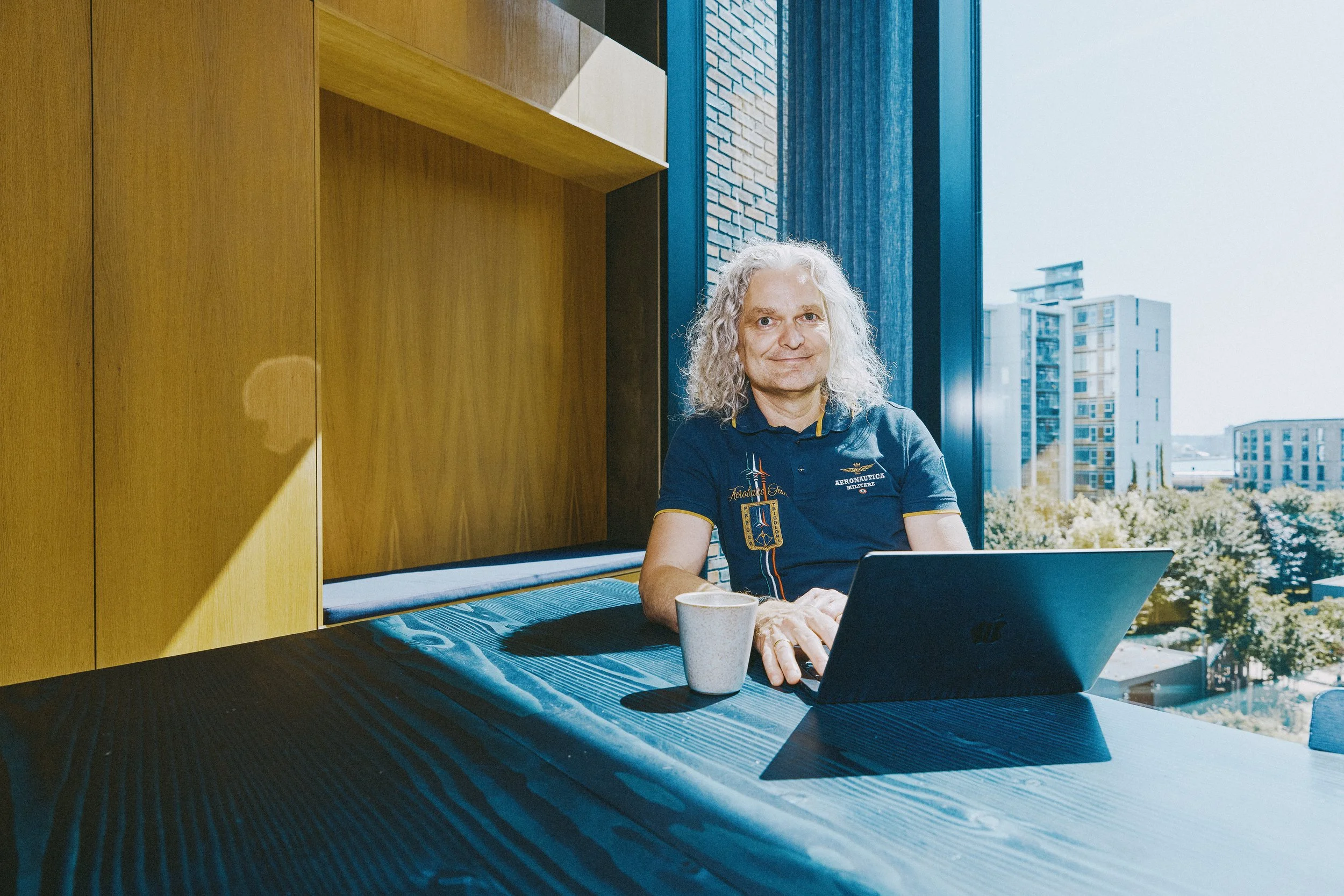
I use AI every day. Not just to write emails or prepare presentations but to structure complex work, challenge my thinking and improve decision-making. I see AI becoming an important part of how we manage projects and develop products. It can help us work more efficiently but also improve the quality of our analysis and decisions. The responsibility for those decisions, however, still belongs to people.
“AI can improve the quality of our analysis and decisions. But the responsibility for those decisions still belongs to people.”
Are you worried that AI will take project managers’ jobs?
Think about how farming changed with mechanisation. Before tractors became widespread, farmers needed horses and large numbers of workers. Technology transformed the work but farming didn’t disappear. I think AI will have a similar impact on project management. Much of the routine work will become faster or automated. But managing complexity, aligning with stakeholders and making difficult decisions will remain essential. AI will change what project managers spend their time on and potentially make good project managers even more valuable.
You were one of the founders of Escape. Has it turned out as you planned?
We never thought we’d end up where we are now. I actually see Escape as an innovation project. You let the team loose. Then sometimes you pull them together and say, now we conclude, now we move to the next phase. We don’t know exactly where we’ll end. That’s fine.
You’re a partner and a full-time consultant. Are there enough hours in the day?
If I were a manager in a big company, I’d work 60 or 70 hours a week anyway. Now I do my 37 hours with the customer. Then I go home and work on Escape business. I don’t work more than I would elsewhere. And it’s more fun.
Would you say you were strategic or practical?
Both. I like thinking strategically but I’m equally focused on execution. Having ideas is one thing. Breaking them down, making decisions and getting people moving is where things actually happen.
What does success look like?
A good independent life for all of us consultants. A community that moves forward together. And one that supports each other as we get older and maybe want to work differently.
You didn’t mention money. Will Escape make you a millionaire?
Maybe not. But I get so much good feedback from the people I work with. That matters more to me.