Who is
Peter
Peter picked up most of his people skills the same place he trained his gun dogs: out in the field, saying as little as possible.
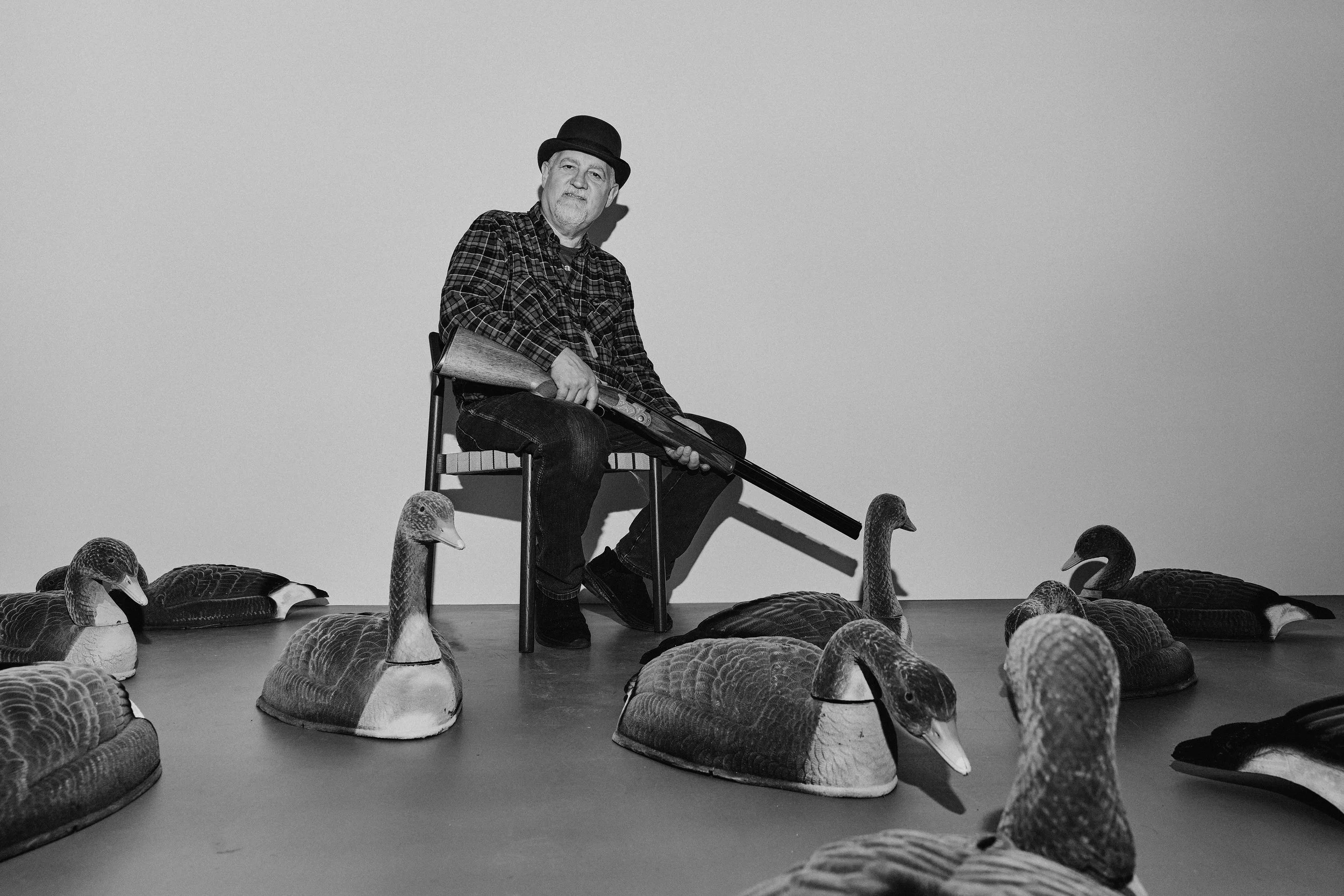
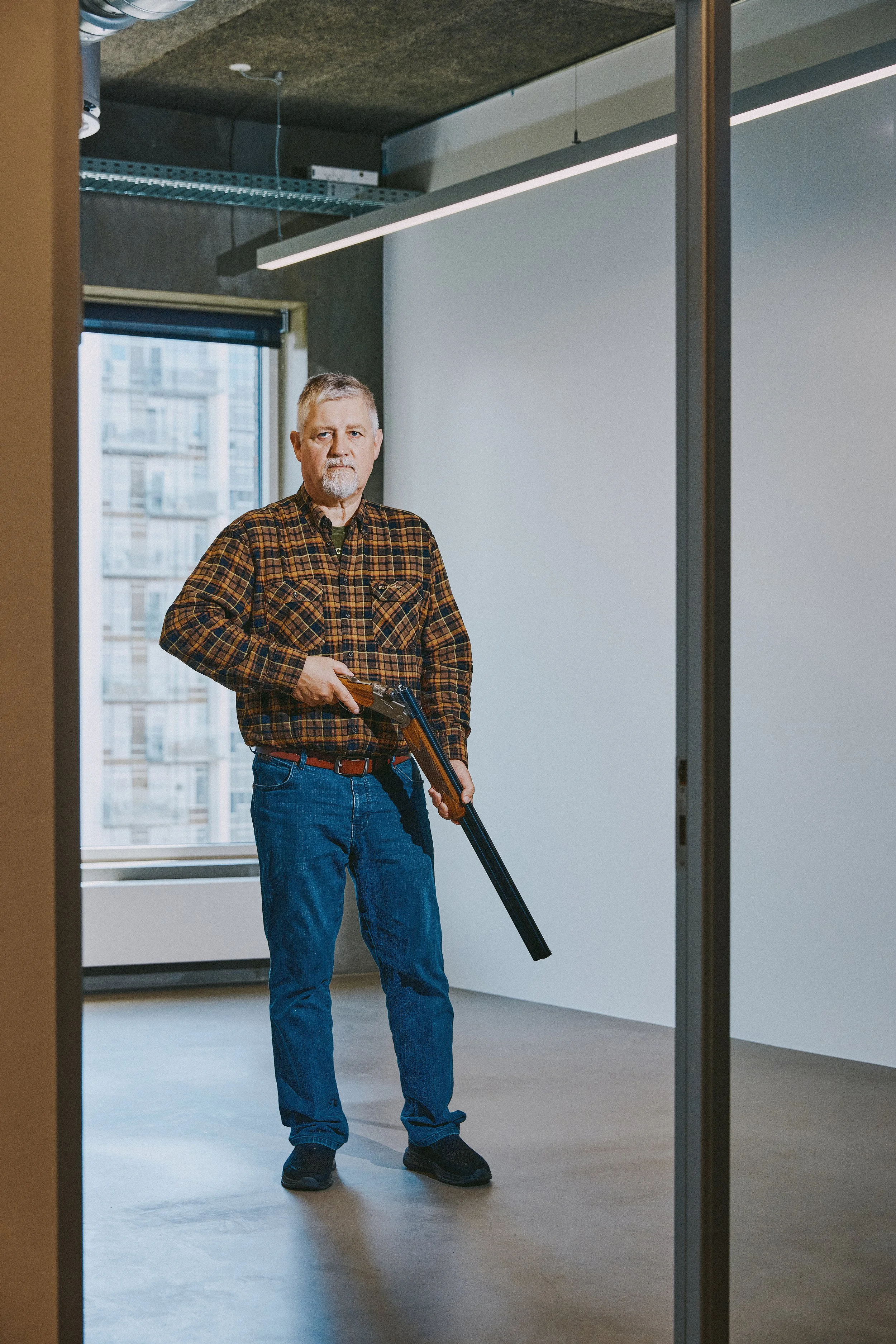
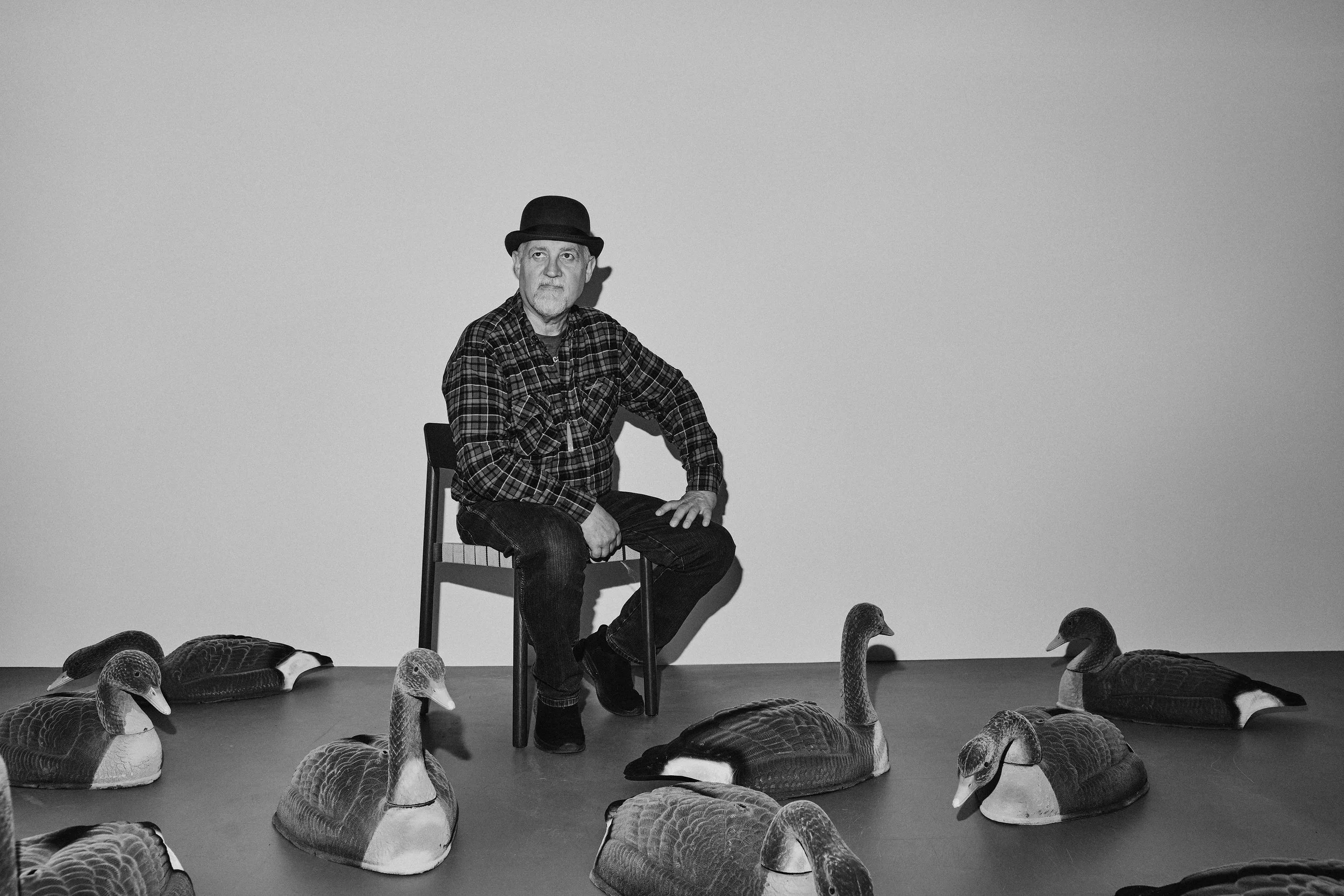
How will this interview go? You’re holding a gun. Ha,ha. I wanted to be photographed with something impressive. I'm a hunter, you see. That's my hobby, along with the dogs.
Is hunting a big thing in Denmark? Just short of 200,000 Danes hold a hunting licence. I used to be chairman of the local hunters' association here in Randers and we had about 500 members. I'd say it's one of the biggest structured groups of people using nature for anything.
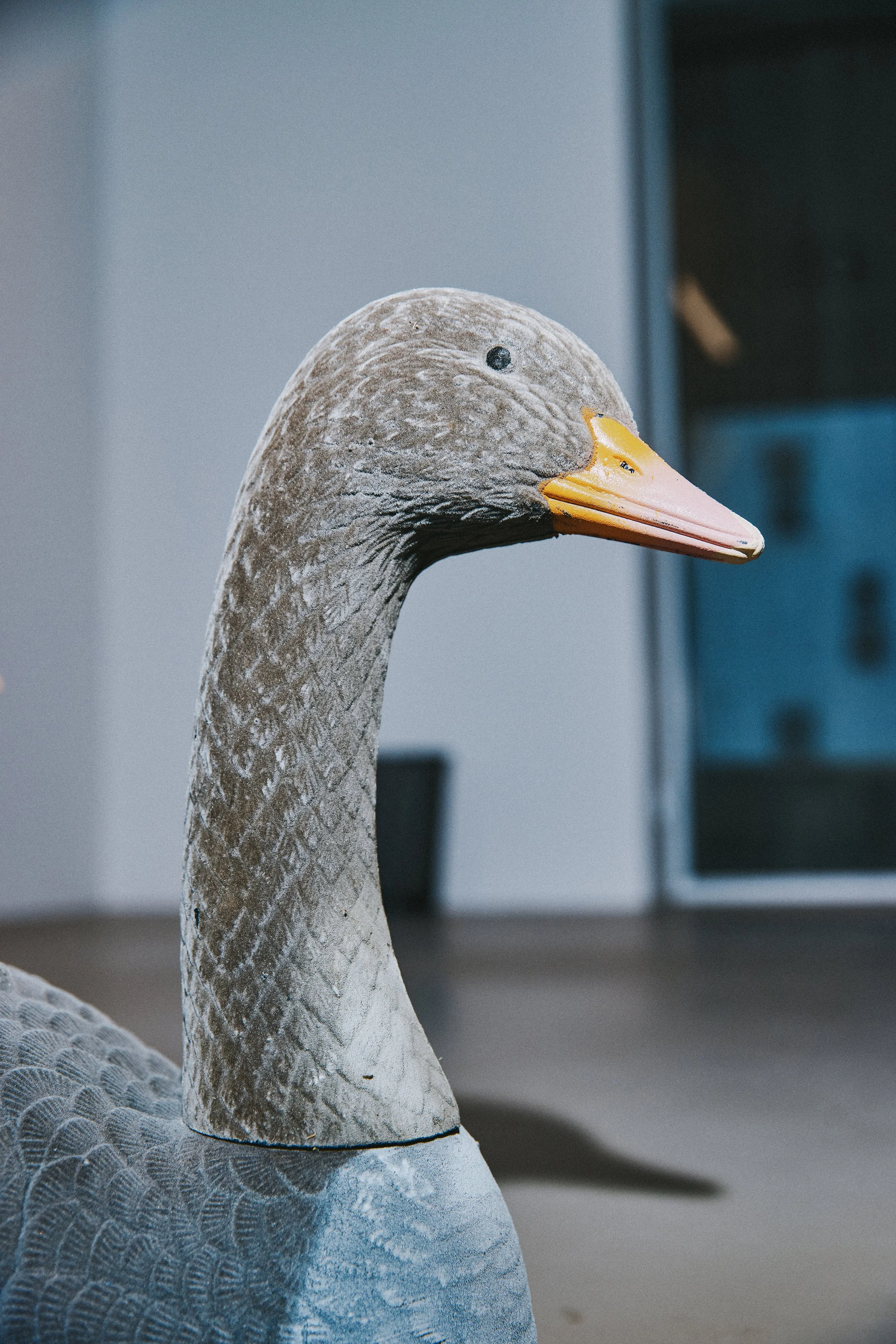
Wow. What’s the real appeal? Is it the shooting? Actually no. Not really. The primary motivation is watching the dogs work, seeing what they find. I don't need to kill anything any more. If I do, it's because I want to eat it. A journalist once asked me on television why I go hunting. I told him, ‘if I don't shoot them, I can't eat them’. He looked shocked.
How did it begin with Escape? My first assignment was actually with a hydrogen fuel cell manufacturer.
What did you train to do, originally? I specialised in medical engineering. Very fine, precise work. Most of the jobs were in Copenhagen and I didn't want to move there. I nearly went into hospital maintenance instead, decided that would be boring and ended up designing equipment and production lines for an ice cream manufacturer. Yes, really! The engineering discipline is the same wherever you go. Only the decimal point moves.
How are you under pressure? I'm not deliberately calm. I'm deliberately not panicking. There's a difference. I'm actually quite risk averse, I spend a lot of time working out what could go wrong before it does. If something's keeping me awake, it's because I've spotted a risk I hadn't planned for.
Are you an introvert or extrovert? Definitely introvert. Being communicative, involved, visible…none of that comes naturally. I had to learn it. I've no urge to be the one who speaks first or takes the credit, so teams get room to just get on with the job.
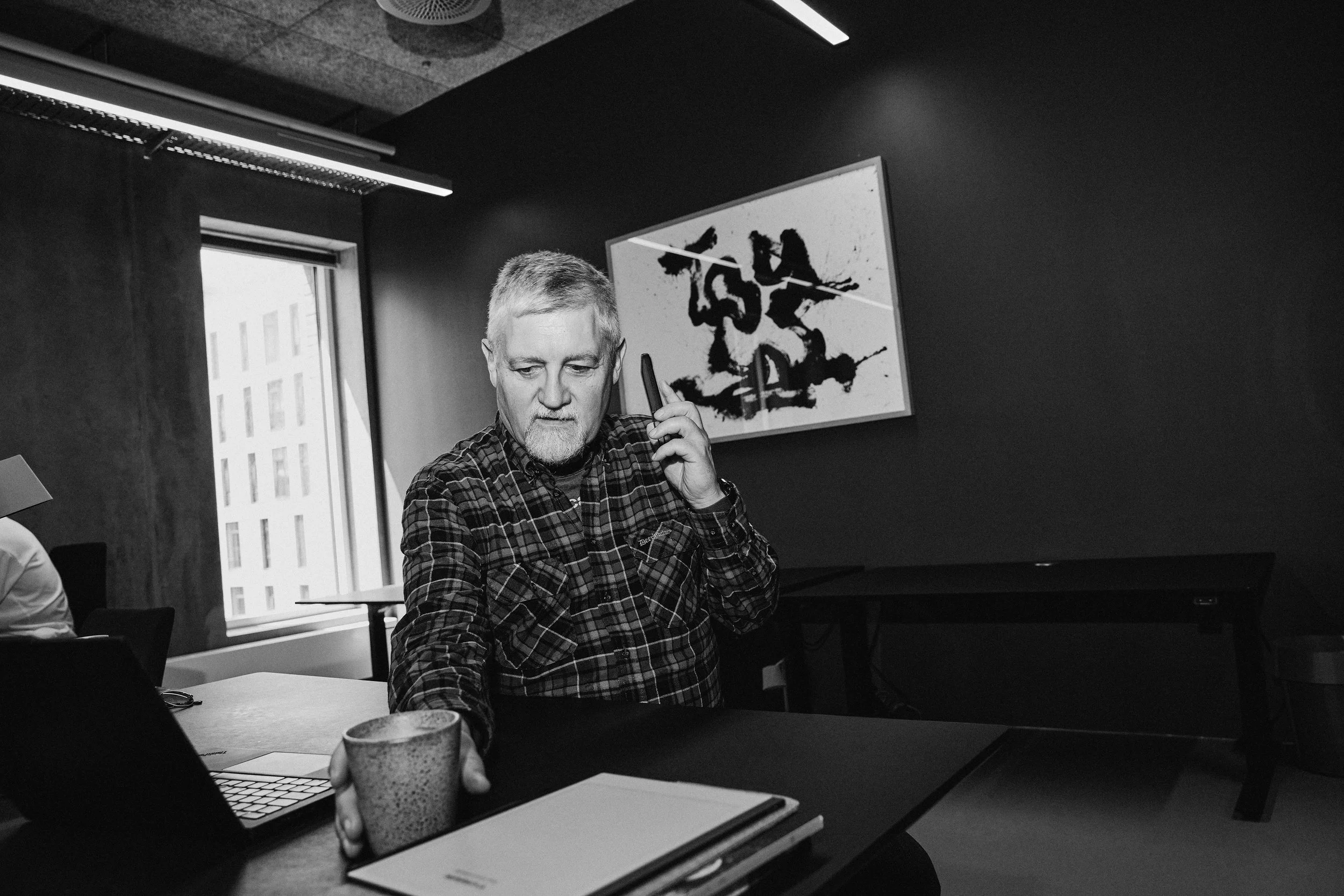
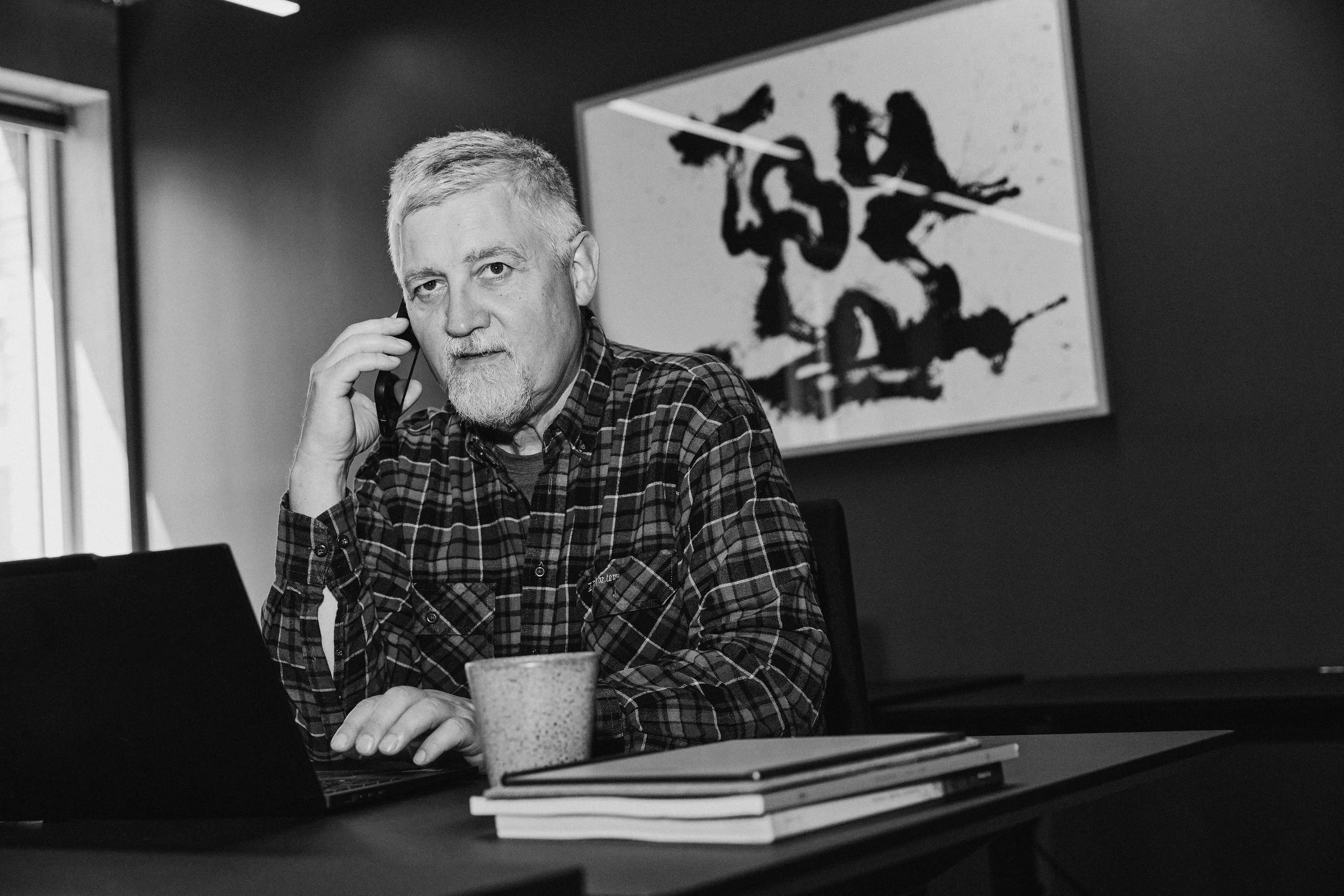
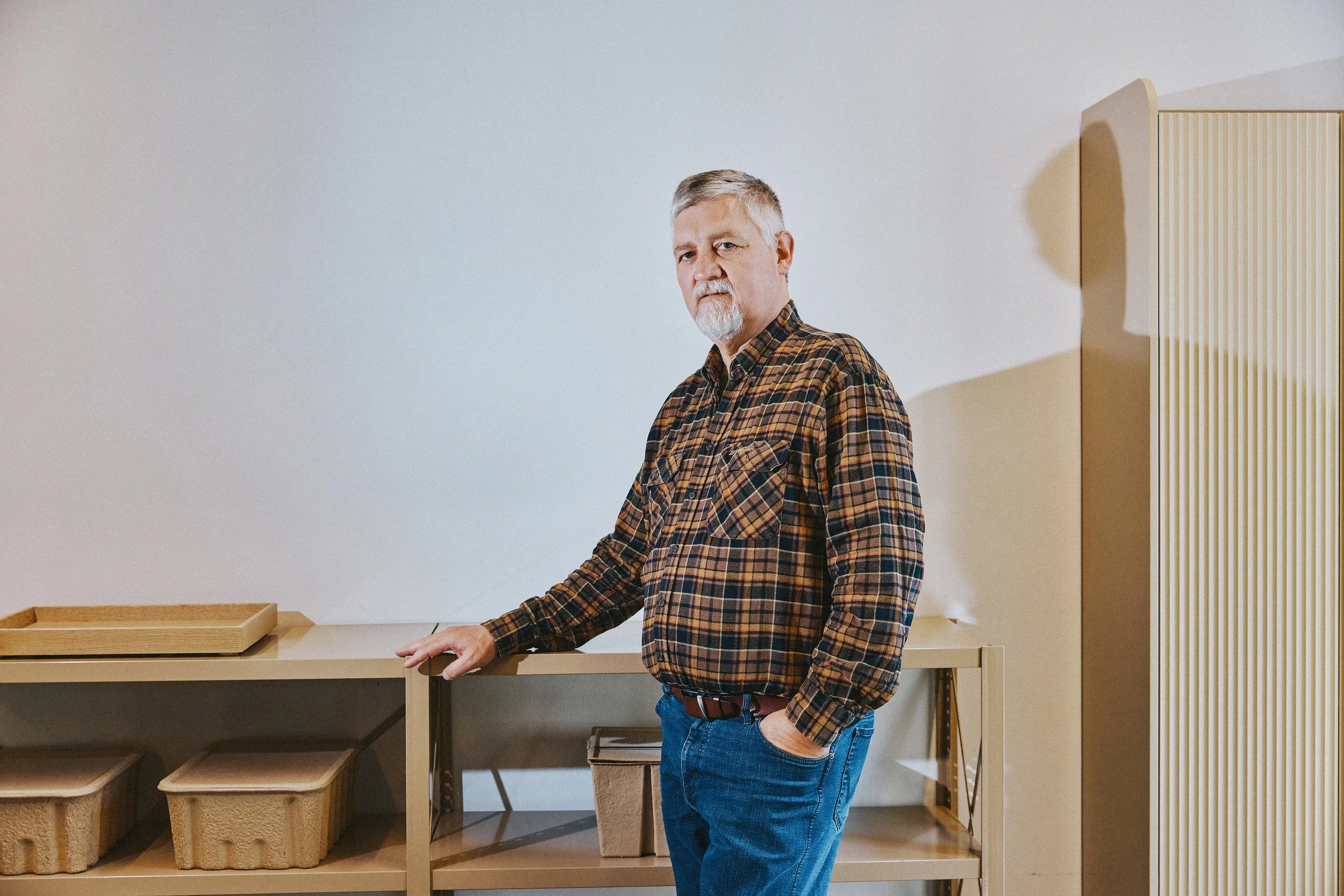
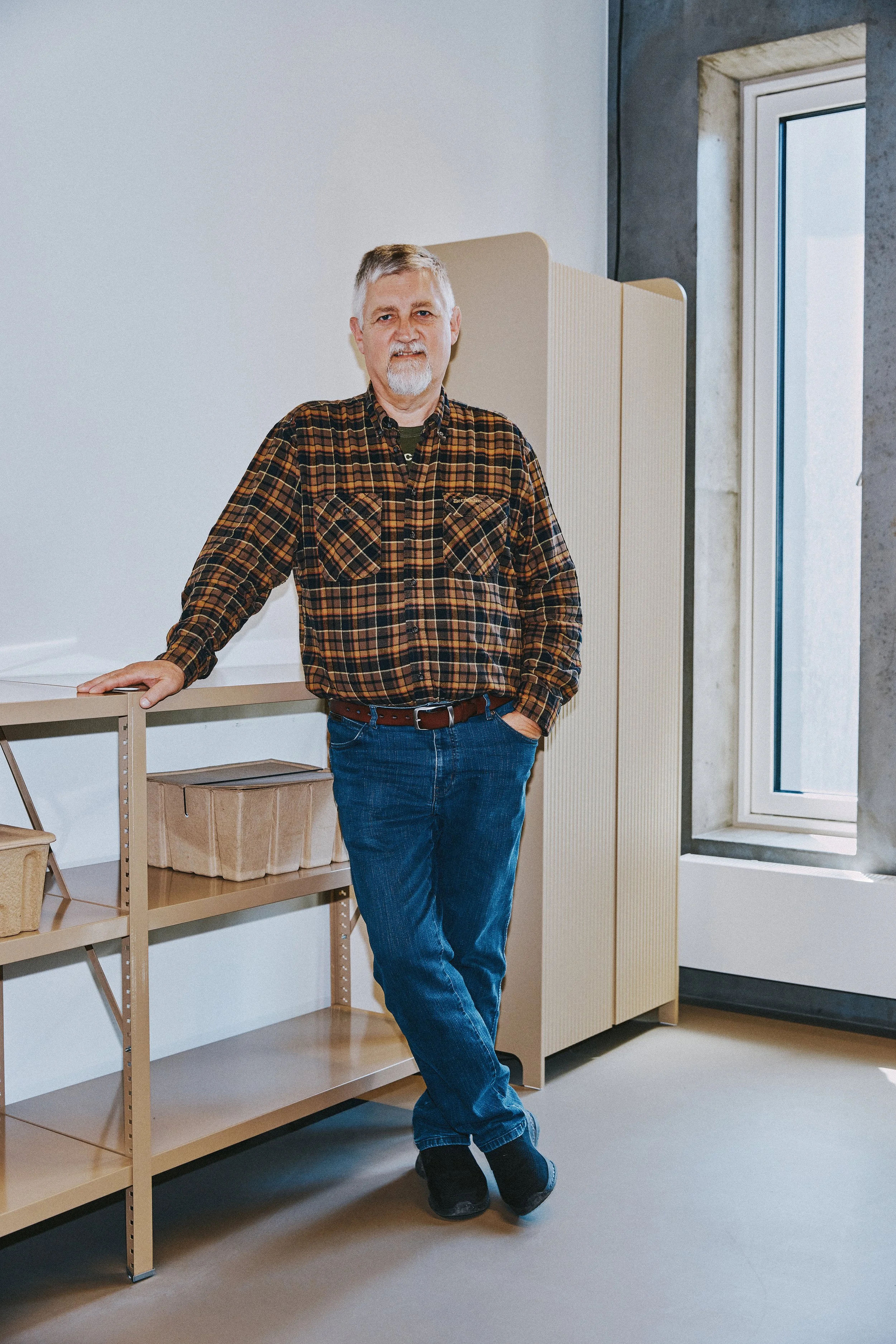
Where did you learn to be more open, then? Largely from dog training, which I do as a volunteer. You have to teach people who've never trained a dog in their life. This forces you to communicate. It's also where I picked up some techniques I still use on project teams. If someone's causing trouble, I ignore them completely until they ask what's wrong, exactly as you would with a difficult dog. It works. We're not as different from them as people like to think.
You’ve been a VP and managed small teams. Pick your favourite gig? Being a VP was boring, honestly. Once everything's running and the team's working well, what am I meant to do? Start yelling for the sake of it? That's not me. It's why I became a consultant instead.
Any tool or process you're wary of? I'm careful with Scrum on machinery projects. Scrum was built for software, where you can adjust as you go. If you get a detail wrong on a mechanical drawing, it can take eight weeks to find out because it has to go to the manufacturer and back. The old waterfall approach still does the big picture better. I use whichever tool the job actually needs and I've stopped worrying about what it's called.
Any hobbies when you’re not out with the dogs? Painting. I’ve done it for ten years now, with a teacher. Watercolours, oils, acrylics, whatever she set us. I'd like to do more of it when I retire. In the meantime it comes in useful. I'm still the sort of project manager who'd rather stand at a whiteboard with a marker pen, with people in the room, than open a laptop. Draw the machine, draw the building, and everyone understands it far faster.